
Inspired by Sewing Bee: Free Adaptive Sewing Patterns & Resources
One of the things I love most about The Great British Sewing Bee is that it's not just about making beautiful clothes – it also shines a light on how sewing can make a real difference to people's lives.
This week's Pattern Challenge did exactly that. While the overall theme celebrated colour and print, the garment itself was designed with adaptive fashion in mind. It was a sleeveless top featuring thoughtful design details such as a wider neckline for easier dressing, a high-low hem that works better for wheelchair users, and discreet side zips to provide access to medical devices.
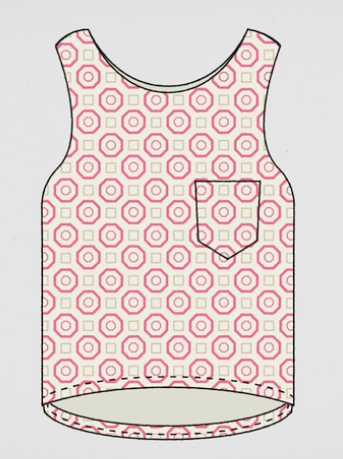
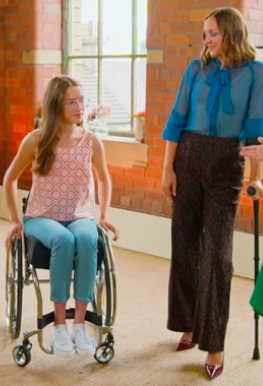
Images from BBC Great British Sewing Bee
It was fantastic to see adaptive fashion take centre stage on prime-time television because it's an area of sewing that often doesn't receive the attention it deserves.
What is Adaptive Sewing?
Put simply, adaptive sewing is about making clothing easier to wear without compromising on style.
For some people that might mean replacing fiddly buttons with magnetic fastenings or Velcro. For others, it could be adding side openings for easier access to medical devices, widening a neckline to make dressing less painful after surgery, or choosing softer fabrics and external seams to make clothing more comfortable for someone with sensory sensitivities.
Adaptive clothing isn't just for wheelchair users or people with permanent disabilities. It can benefit anyone whose needs have changed, whether that's because of surgery, arthritis, chronic pain, reduced mobility, pregnancy, medical treatments or sensory processing differences. Sometimes the smallest alteration can make getting dressed quicker, easier and far more comfortable.
One of the wonderful things about sewing is that it allows us to create clothing that works for the person wearing it, rather than expecting the person to adapt to the clothing.
As dressmakers, we're already problem-solvers. We shorten hems, lengthen sleeves, adjust waistlines and alter patterns to fit our bodies every day. Adaptive sewing simply takes that same approach one step further by designing with the wearer's individual needs in mind. The challenge, however, is that there still aren't many sewing patterns specifically designed with adaptive features.
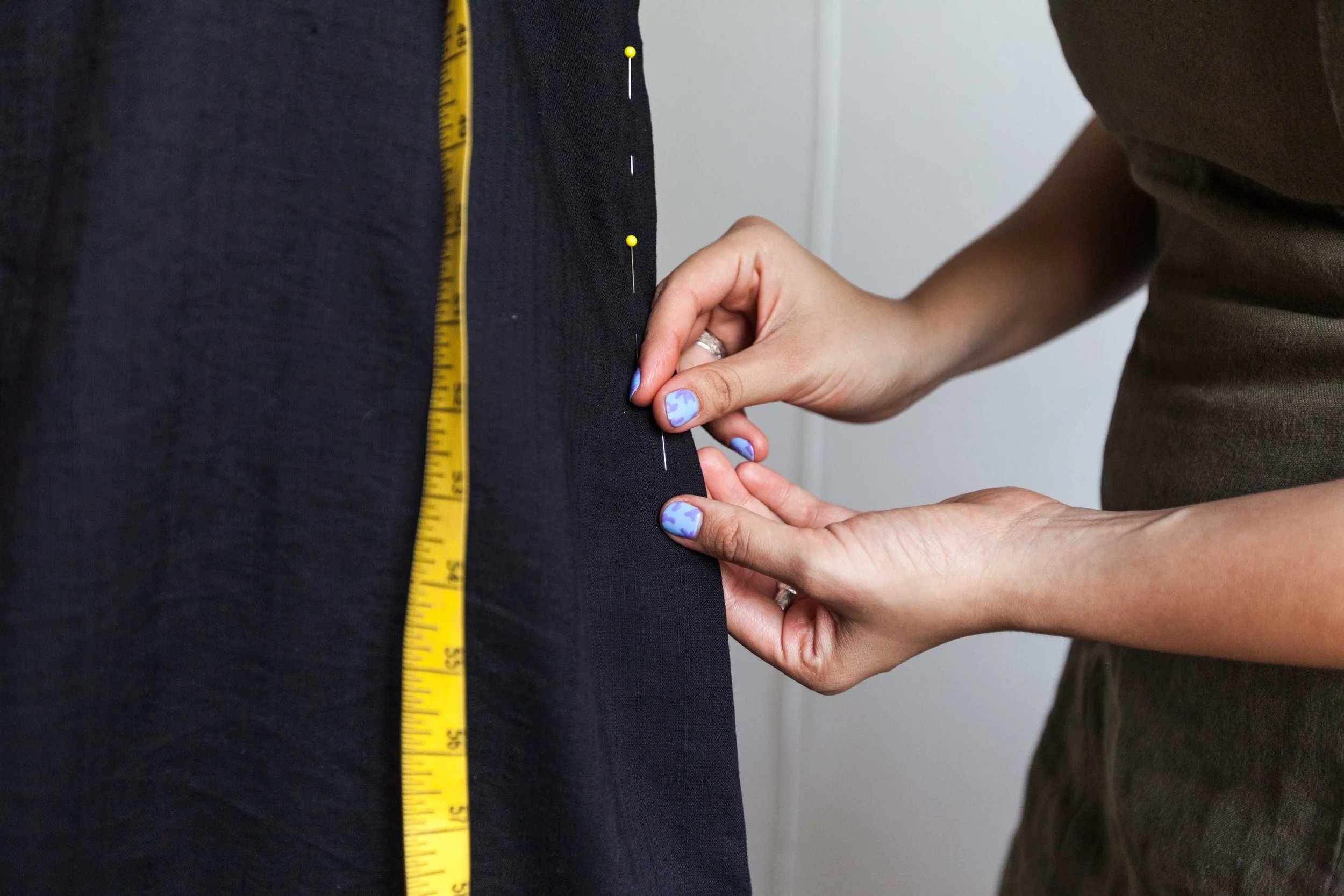
That's why, for this article, I've rounded up a selection of free patterns and resources that either include adaptive design elements or could be easily adapted with a few simple sewing techniques. Some are designed specifically for post-surgery recovery, others focus on comfort, adjustable fit or sensory-friendly construction, while a few are simply excellent base patterns that can be customised to suit individual needs.
This isn't intended to be an exhaustive list—there are far more adaptive sewing resources available than I could include in one article. Instead, think of it as a starting point to inspire your next project and, hopefully, encourage more conversation about inclusive sewing. If you know of a great adaptive sewing pattern or resource that I've missed, I'd love to hear about it. Leave a comment below so we can build an even bigger library of ideas for the sewing community.
Tops & Dresses
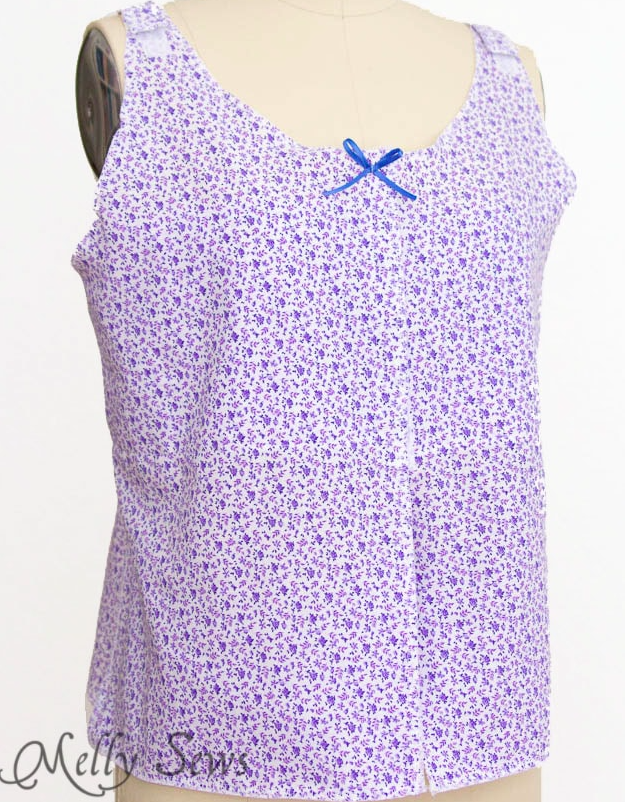
The Post Surgery Camisole by Melly Sews. For Masectomy & Torso Surgeries which I feel fits some of the criteria that the top on the show did. A camisole/ tank top for post surgical recovery. This top has drain pockets and velcro closures at the shoulder & front to help patients with two post mastectomy difficulties. The first is that patients can’t easily lift their arms to get dressed. The second issue is that patients usually have surgical drains that they have to carry with them for up to 2 weeks.
A couple of other tops from Seamwork that I thought would be easily adaptable by adding zips into the side seams are the Hansie top which is a woven tee with cut-on sleeves & wide neck & a quick simple make. The perfect blank canvas for creative pattern hacks, so a hi lo hem could easily be added . There’s also a dress version too.
Another from Seamwork is the Sorbetto top - there’s now a few variations for this top but Version 2 features a centre front box pleat and bust darts for shaping a modest scoop neckline.This tunic length version has a side seam vent and slight high-low hem, which is finished with a facing, again it should be easy enough to add zips at the side seams if required. I also think that if you want to put velcro in place of the pleat that could easily be done too.
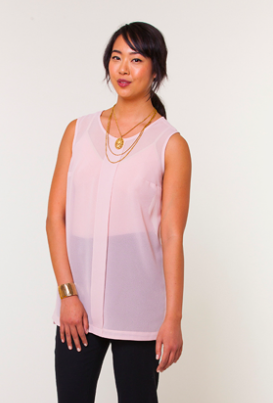
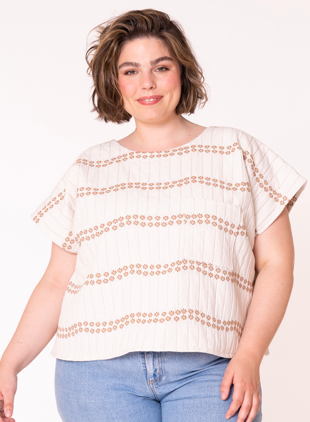
Seamwork Sorbetto (Left) & Hansie (Right)
It was mentioned on the show that having a high-low hem was useful for wheelchair users because often there’s too much fabric at the front of the garment which bunches up & not enough at the back.
Tiana’s closet also has 2 tops which feature hi lo hems. The Hailey hi lo hem which has a lovely curved hem detail, is sleevless & has a relatively wide neck
And the Sandra asymmetrical top which features a loose fitting, a gathered high and low peplum and round neck detail.
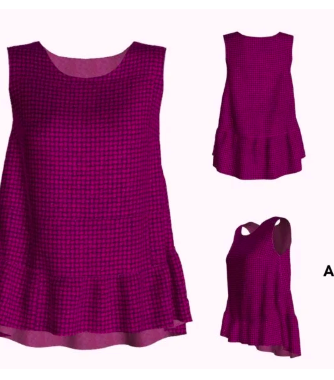
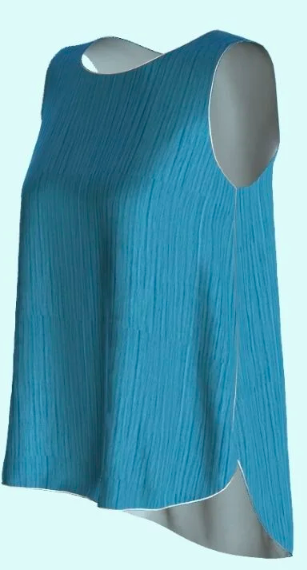
Tiana’s Closet Sandra (Left) & Hailey (Right)
I think all 4 of these tops could easily have simple adaptations made to them that were similar to the one shown on the Sewing Bee & you could even go wild & add a pattern matched pocket too!
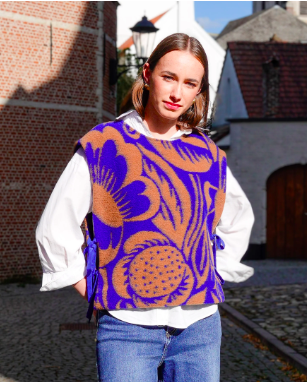
And here’s a slip over with side ties from Atelier Jupe, which I thought would be useful for anyone with mobility problems, its designed for wool & has ties rather than zips or buttons & would be a nice alternative to a jumper & relatively oversized, so can go over a turtleneck or t-shirt & perhaps disguise any bulky medical devices while still remaining stylish
The Marilla top from Mood combines two flattering designs, a peplum and a wrap. As a true wrap, it is easy to slip on and off and perfect for those with mobility concerns or breastfeeding parents. This would look great in a variety of fabrics and prints. such as brocade, gingham, broderie angaise/eyelet
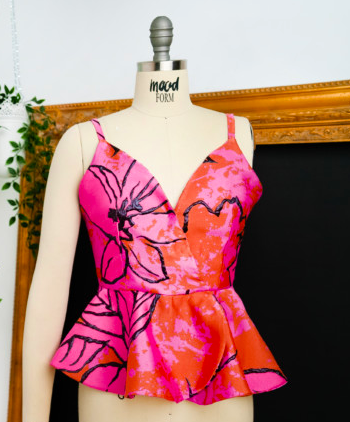
Mood Marilla Top
Some of the contestants spoke about their own personal stories about sewing with adaptive patterns, Rebecca spoke about having chronic stomach pain so she avoids having anything tight around her stomach. So here’s a few pattens with that in mind - in fact Mood have a section on their website which features adaptive patterns, I think some of them are simply oversized garments which I guess would fit the brief for any bloating issues so here’s a link to them all.
I just wanted to feature a couple of trouser & skirt patterns here, which are adjustable at the waist.
Trousers, Skirts & Wrap Styles
The Kythira Wide-Leg Beach Pants have a wrap-style construction which creates an airy, open shape with sweeping side slits but still offers coverage. Adjustable tie waistbands let you customise the fit exactly how you like it. They can be a comfortable beach coverup or style them with a tank. With just 2 pattern pieces and 4 easy steps, this design is approachable for beginners.
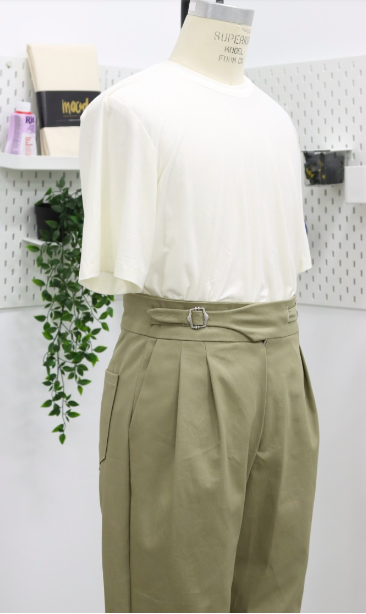
The Stonecress Pants sewing pattern has a high-waisted silhouette with pleats, cuffs, d-rings, to adjust the waist, and elastic at the back for easy wear and comfort. They have ties at the ankle too, which of course can be omitted according to your preference
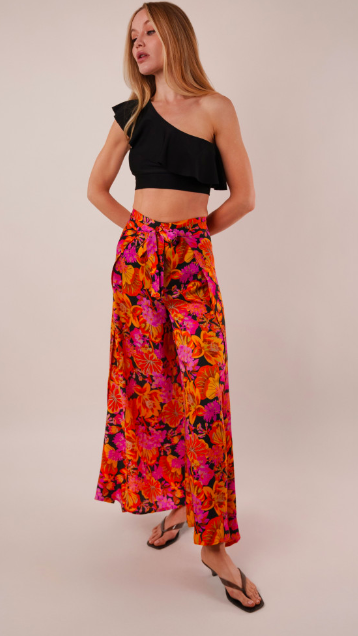
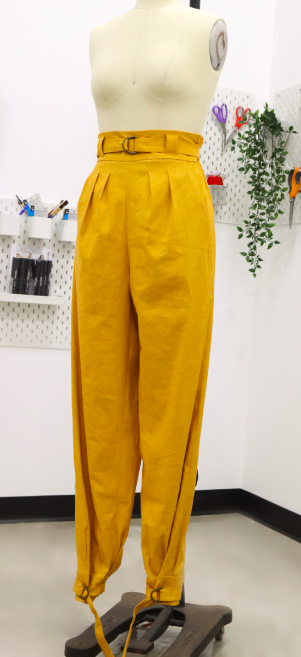
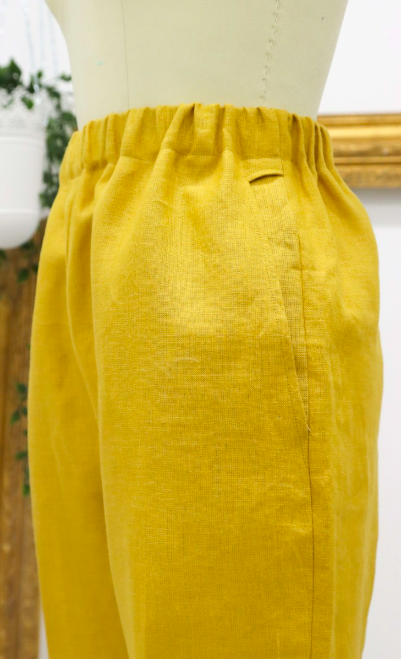
Mood Kythira Pants (Left) & Stonecress (Right)
The Linda Pants are designed for endometriosis needs with added front ease and elastic waist. They have a tapered leg, elasticated waist & slash side pockets versatile enough for any gender. Mood designed this pattern to specifically cater to the adaptive needs of those with endometriosis or bloating/discomfort. The elasticized waist makes for a comfortable wear, and a much easier sew. Plus, it has a little extra room in the front to accommodate for endo belly. While this pattern is adaptive, anyone can wear these pants for an ultra-cozy, ultra-chic alternative to traditional trousers
One for the men now & these are the Basquiat pants which have a statement waistband which is adjustable with the buckles at the side and pleats, these pants are perfect for a night out and comfy enough to work from home or the office. I have to say that you do see much more adjustability in menswear in ready to wear in general than in women’s wear.
The Cress Skirt is versatile classic wrap style skirt with a tie wrap feature which can be adjusted through the day to keep you comfortable
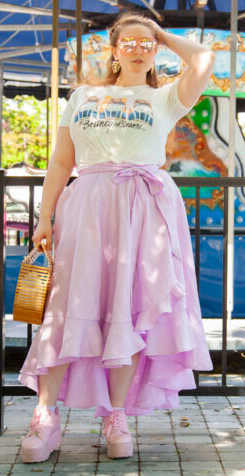
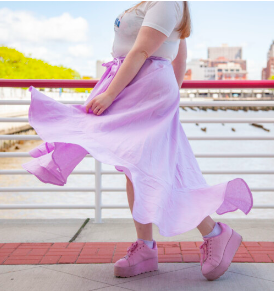
Mood Cress Skirt
The Tyler Trousers from Janet Celeste, are a zero waste pattern with a high-rise, wide-leg pant with thoughtful design details. Features include vertical seams along the back of the legs, an elastic waistband for maximum comfort, and patch pockets. These pants have minimal seams for anyone with sensory issues. These can be easily cropped or made into shorts & the rise can be easily adjusted as well. Instructions include fitting modifications.This pattern includes 22 sizes
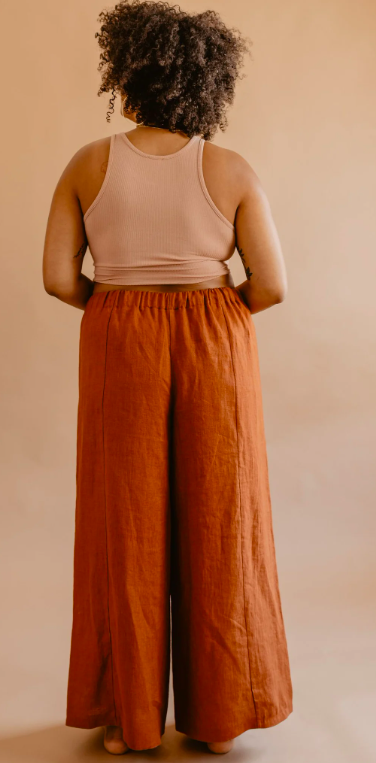
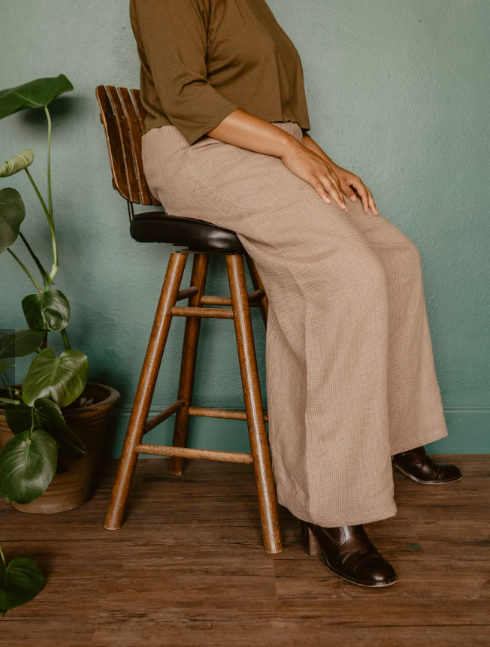
Janet Celest Tyler Trousers
Children’s Patterns
Child’s Adaptive Dungarees These were featured in last seasons Sewing Bee. They are designed with comfort, style and accessibility in mind & feature elasticated shoulder straps and snap fastenings in the legs, and snap plackets at the ankle — practical adjustments that improve the ease of dressing.
The pattern is sized to fit a child approximately 115cm tall, age 6, so only one size but there is some flexibility. The dungarees are designed to have a roomy fit, and have finished measurements of 66cm waist and 70cm hip. The length can be adjusted when sewing the straps.
https://www.loveproductions.co.uk/sewing-patterns
Gwylan The Kids T-Shirt Sewing Pattern has features for children with Sensory issues ages 3 to 10. The seams are worked on the outside so that the inside is smooth and has no scratchy itchy seam allowances or labels. A round neck T-Shirt which can be made with front and back the same or with the traditional higher back neck. The suggestion to make the T-shirt from an old T-shirt, so it’s nice & soft is a great idea!
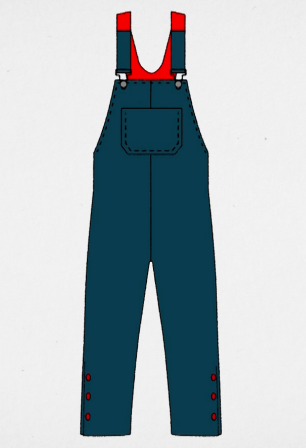
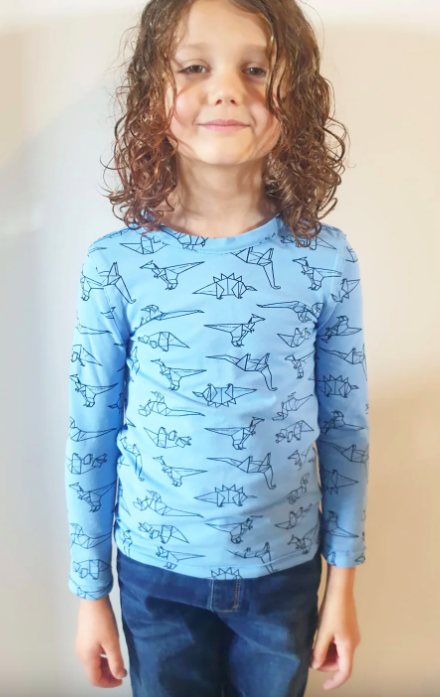
GBSB Dungarees & Gwlan Kids T Shirt
Accessories & Post-Surgery Projects
SEWING A BRA from Artesane for women who have had breast cancer is a video course to learn how to sew your own bra in a soft and comfortable fabric. Replace the underwire with elastic that will support your bust with comfortable seams. Charlotte Jaubert shows you how to assemble the cups, sew the pieces together using a stretch stitch, and attach the elastic bias binding. For all body types and shapes in sizes 32 to 52. A step by step video course which offers lifetime access.
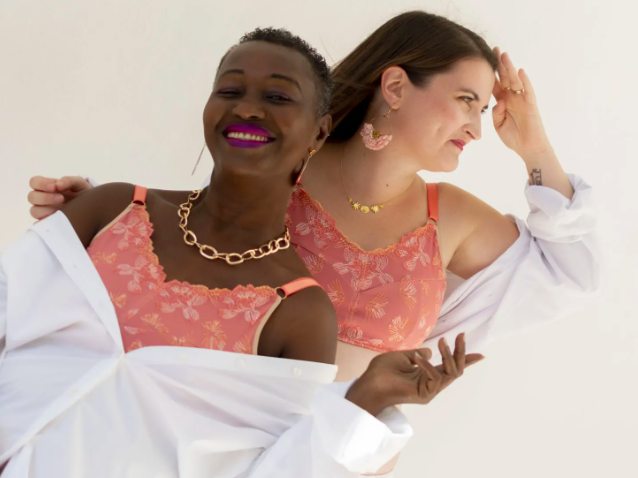
Post Surgery Bra - Artesane.com
Create & donate have 2 free patterns specifically to help people who have undergone mastectomies, one is a pillow, which Is used post-surgery to provide underarm support and protection to sensitive areas.
The drain bag holder is waterproof, since the drains may stay with a breast cancer patient for a couple of days or a couple of weeks, drain care management is extremely important.
As the create to donate name suggests these would be great items to make to donate to charities or friends undergoing surgery
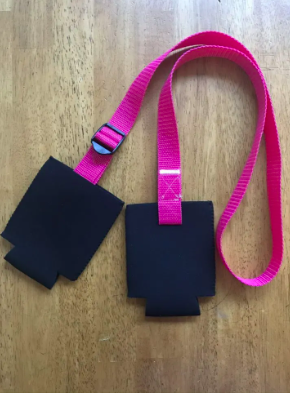
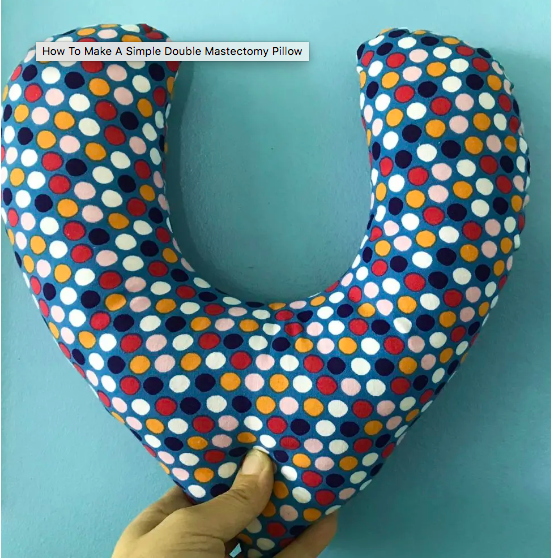
Create & Donate Drain Bag Holder & Pillow
Seams Sew Me has a video tutorial for a port pillow for anyone who has undergone a hysterectomy after having had the operation herself. The purpose of this pillow is to protect your stomach from dogs, cats, the seatbelt or a cough or sneeze after surgery. The middle of the pillow is held up against your stomach while you rest your arms in the curves of the sides of the pillow. The pocket in the front is to hold your phone, tissues, tv remote etc. The pocket facing your belly is to hold an ice or heating pack.
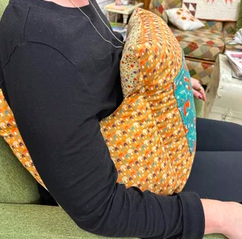
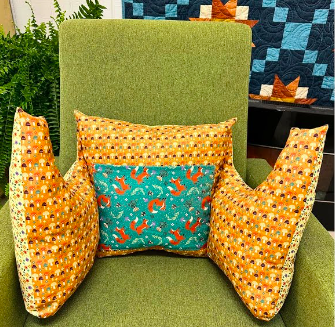
Seams Sew Me Port Pillow
Other Resources & Final Thoughts
Finally a couple of resources that I will link to:
Threads magazine has a useful blog & round up of paid for patterns that highlight adaptive patterns & what we can do as dressmakers which reiterates what I’ve said: Look for patterns with easy closures such as zips & velcro rather than buttons or simply swap them out for anyone with dexterity issues. Look at patterns that have, elasticated waistline wider necklines, armholes or adjustments that accommodate seated positions
You can alter patterns to accommodate wheelchairs, crutches, prosthetics, or other mobility aids, by adding extra room in specific areas (like sewing arm gussets) or shortening garments.
Consider how comfortable fabric is for the wearer, especially anyone with sensory issues. Consider factors like breathability, stretch, and texture & how easy it is to launder.
Incorporate adaptive elements into standard patterns, like adding side openings or converting button closures to hook-and-loop fasteners.
The Craefty Witch has Free pattern pieces for seam addaptive closures, with instructions and video tutorial that will help you to create adaptive clothing which are easily accessible by people with mobility and sensory needs. The pack includes a side gusset and overlap closure as well as instructions for double closures and a full zip closure.
Twig & Tale also have a blog with some adaptive sewing tutorials such as customising the rise of pants and shorts patterns to be comfortable when worn primarily in a seated position along with some post mastectomy resources.
A variety of patterns that are paid for that are designed specifically with adaptive features, such as Rad patterns & Simplicity have a few. Also if you go on to thread loop you can find a list of curated patterns for specific issues such as adaptive patterns for changing bodies, or medical accessibilty, which are both free & paid for.
Visit Instagram to see the “Sewn Shown Seated” and “Disabled Sewist” and tag and follow sewists like @thewheeliestitcher and @purplesewingcloud for inspiration.
I hope that this article has at least given you some ideas & resources and as always if you need any help with making these adjustments you can join me at the studio in the Improvers Classes & we can figure out how to make the adaptations that you require.
